The Allure of Risk and Reward
Casino games are designed to captivate players by presenting an enticing mix of risk and reward. The thrill of potentially winning large sums of money engages our primal instincts, making us eager to take chances. This attraction is largely rooted in the psychology of reinforcement, where the possibility of winning creates a powerful motivation to continue playing. Each time a player rolls the dice or spins the wheel, there’s a rush of adrenaline propelled by the hope of a favorable outcome. Players exploring options often discover uk casinos not on gamstop, which appeal to those seeking alternative experiences.
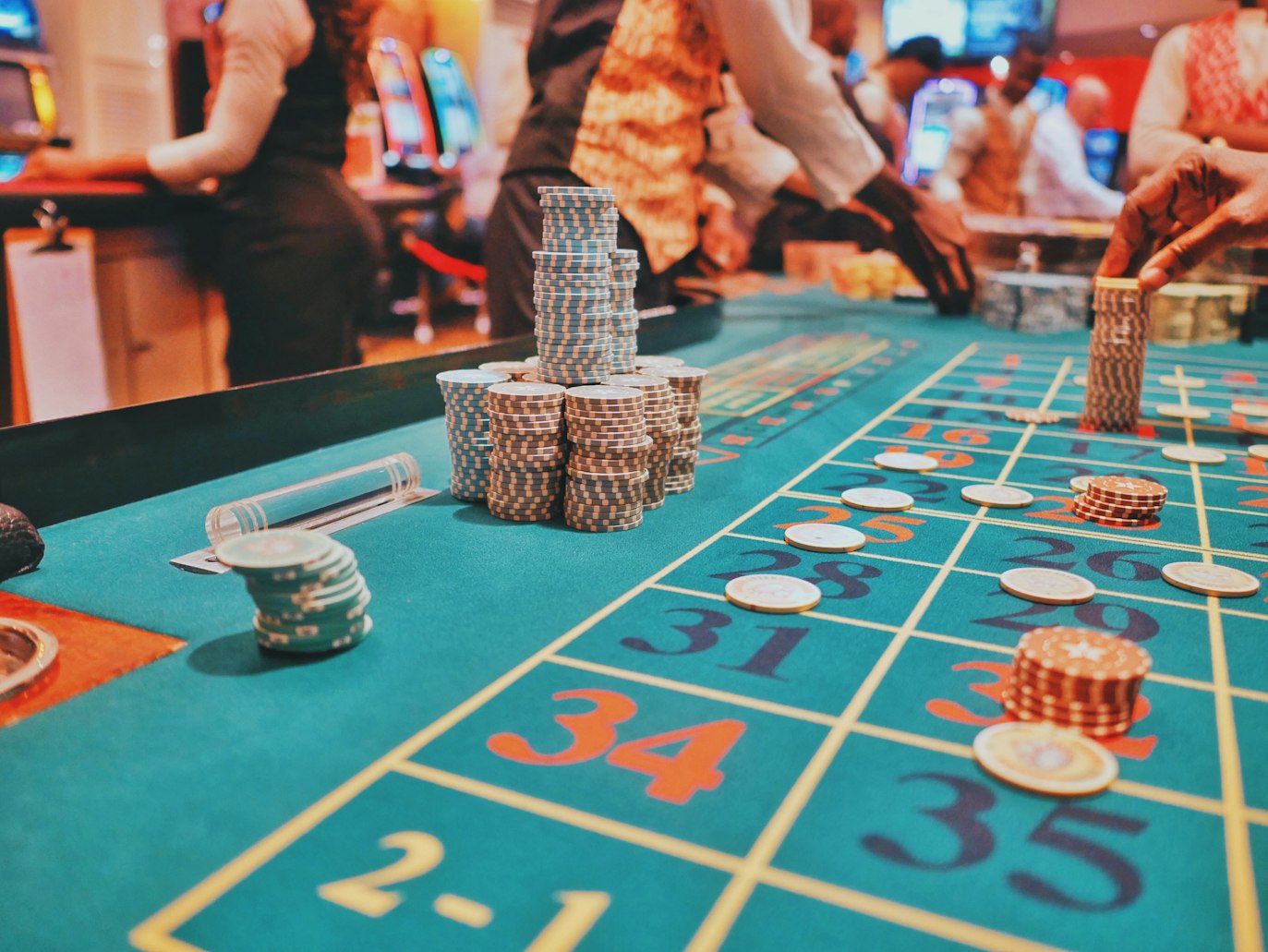
This cycle of anticipation and reward triggers the brain’s pleasure centers, releasing dopamine—a chemical associated with pleasure and satisfaction. This neurological response explains why many players feel a compulsion to play, often leading them to make choices that may not align with rational decision-making. Understanding this dynamic is crucial for grasping the psychological reasons behind our gambling choices.
Cognitive Biases in Gambling
Cognitive biases significantly influence how players perceive luck and skill in casino games. Many individuals fall victim to the gambler’s fallacy—the belief that past events affect future outcomes. For instance, if a player observes a streak of losses on a roulette table, they may wrongly assume that a win is ‘due’ to occur soon. This misinterpretation of probability can lead to increased betting and, unfortunately, greater losses.
Additionally, confirmation bias plays a role, where players tend to remember their wins more vividly than their losses, reinforcing the belief that gambling is a viable way to make money. As a result, these cognitive distortions can skew rational judgment, prompting individuals to engage in gambling activities even when the odds are not in their favor.
The Social Environment of Casinos
The social atmosphere of casinos enhances the psychological experience of gambling. The presence of other players, the sounds of slot machines, and the sights of winners celebrating create an environment charged with excitement. This social dynamic can lead to what is known as social proof, where individuals are influenced by the behavior of others. If a player observes others winning, they may feel encouraged to join in, reinforcing their engagement with the games.
The communal aspect of gambling also fosters a sense of belonging and shared experience, making players more likely to overlook the risks involved. In such an environment, the desire for social interaction can outweigh the rational assessment of potential losses, driving individuals to make choices based on emotional satisfaction rather than logical reasoning.
Marketing Strategies and Player Psychology
Marketing tactics employed by casinos are intricately tied to the psychology of decision-making. Many casinos utilize loyalty programs and promotional incentives, which tap into players’ desires for rewards and recognition. These strategies encourage repeat visits and larger bets, as players seek to maximize their perceived value from the experience.
The use of bright lights, engaging sounds, and strategic game placements within casinos are all designed to stimulate the senses and enhance the player experience. By creating a vibrant and immersive atmosphere, casinos manipulate environmental cues to sustain player engagement, often leading to prolonged gambling sessions that might not align with their original intentions.
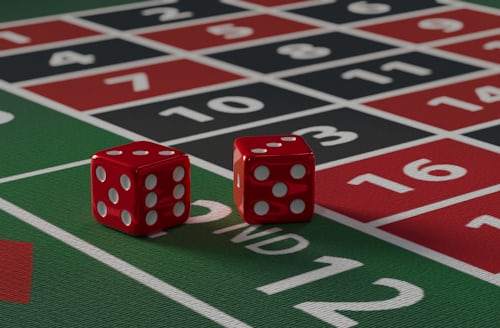
Understanding Gambling Behavior and Its Implications
Exploring the psychology behind gambling offers valuable insights into behavioral patterns and decision-making processes. By understanding the underlying motivations and cognitive distortions players experience, stakeholders can develop more effective strategies for responsible gambling practices. This includes educating players about the risks associated with gambling and promoting awareness of cognitive biases that may affect their decisions.
Furthermore, websites dedicated to responsible gambling can provide resources and tools to aid individuals in managing their gaming behaviors. By fostering an environment of transparency and education, these platforms can empower players to make informed choices while enjoying casino games, ensuring a healthier approach to gambling overall.